
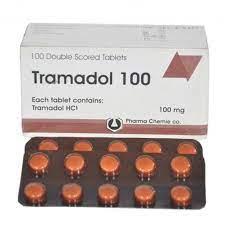
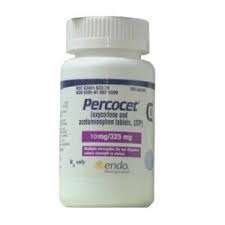
When it comes to pain relief, choosing the right medication can be overwhelming. In this article, we’ll compare Percocet and Tramadol to determine which is the stronger option for your needs.
- Understanding Percocet and Tramadol
- The Mechanism of Action: How Each Drug Works
- Pain Relief Potency: Comparing Effectiveness
- Dosage Guidelines for Percocet and Tramadol
- Side Effects and Risks Associated with Each Medication
- Dependency and Addiction Potential
- When to Use Percocet vs. Tramadol
- Patient Experiences and Testimonials
- Alternatives to Percocet and Tramadol for Pain Management
- Conclusion: Making Informed Choices for Pain Relief
Understanding Percocet and Tramadol
Pain management is a critical aspect of healthcare, especially for those experiencing chronic or severe pain. Two commonly prescribed medications for pain relief are Percocet and Tramadol. However, understanding the differences between these two drugs is essential for making informed decisions about their use.
Percocet is a combination pain medication made of oxycodone (an opioid that changes how the brain perceives pain) and acetaminophen (a non-opioid pain reliever that also reduces fever and boosts pain relief). Together, they provide stronger pain control than either ingredient alone.
Tramadol, on the other hand, is a synthetic opioid that is often used for moderate to moderately severe pain. Unlike traditional opioids, Tramadol also affects serotonin and norepinephrine levels in the brain, which can contribute to its pain-relieving properties. This dual-action mechanism can make Tramadol effective for certain types of pain, but it also introduces a different set of considerations regarding its use.
Both Percocet and Tramadol are classified as controlled substances due to their potential for abuse and dependence. However, they are distinct in their composition and mechanisms of action, which can influence their effectiveness and suitability for different patients. Understanding these differences is crucial for healthcare providers and patients alike when deciding which medication to use for pain management.
The Mechanism of Action: How Each Drug Works
The mechanisms by which Percocet and Tramadol relieve pain are fundamental to understanding their differences. Each drug interacts with the body in unique ways to alleviate pain, and these mechanisms can influence its effectiveness and side effect profiles.
The differences in these mechanisms can influence how patients respond to each medication. Percocet’s strong opioid effect may provide more immediate and potent pain relief, while Tramadol’s combined opioid and neurotransmitter activity may offer a broader range of therapeutic effects, particularly for pain conditions with a neuropathic component. Understanding these mechanisms can help healthcare providers tailor pain management strategies to individual patient needs.
Pain Relief Potency: Comparing Effectiveness
Percocet is generally more potent than Tramadol, with its oxycodone component providing strong analgesia suitable for severe pain, while effectiveness varies based on pain type, severity, and individual patient factors.
Tramadol, effective for moderate pain and neuropathic symptoms, is less potent than Percocet, making it less suitable for severe pain.
Clinical studies show Percocet is often more effective for severe pain, while Tramadol may better suit moderate or neuropathic pain.
Dosage Guidelines for Percocet and Tramadol
Proper dosing is essential for the safe and effective use of Percocet and Tramadol in pain management. Percocet typically starts at 2.5 to 10 mg of oxycodone combined with 325 mg of acetaminophen, taken every 4 to 6 hours as needed, with a maximum acetaminophen limit of 4,000 mg per day to prevent liver damage. Tramadol usually begins at 50 to 100 mg every 4 to 6 hours, not exceeding 400 mg daily, with extended-release options for chronic pain. Patients must follow healthcare providers’ instructions and report any side effects for proper dosage adjustments.
Side Effects and Risks Associated with Each Medication
Percocet and Tramadol relieve pain but carry risks; understanding them aids safe use.
Common Percocet side effects include drowsiness, nausea, and constipation, while serious risks involve respiratory depression and liver damage from acetaminophen.
Tramadol’s side effects include dizziness, headache, drowsiness, constipation, nausea, and sweating, with serious risks of seizures and potentially life-threatening serotonin syndrome.
Both medications risk dependency and abuse, with Percocet posing a higher risk; use only as prescribed under medical supervision.
Dependency and Addiction Potential
Percocet and Tramadol both pose addiction risks, but differ in dependency potential.
Percocet contains oxycodone, a potent opioid with high abuse potential, causing psychological and physical dependence, especially in vulnerable individuals.
Tramadol, a weaker opioid with dual-action effects, has a lower but still significant risk of dependence and addiction, especially in those with a history of substance misuse.
Healthcare providers mitigate medication risks by prescribing minimal doses briefly, monitoring use, educating patients, and encouraging open communication.
When to Use Percocet vs. Tramadol
Choosing Percocet or Tramadol depends on pain type, severity, patient history, and risks.
Percocet is used for severe pain relief, such as post-surgical or cancer pain, requiring careful monitoring due to dependence risks.
Tramadol, a moderately potent dual-action analgesic, effectively treats moderate pain, especially neuropathic conditions, with a lower abuse risk for long-term use.
Choosing Percocet or Tramadol requires healthcare providers to assess pain type, goals, history, and contraindications for safe, effective treatment. Is Percocet Stronger Than Tramadol?
Patient Experiences and Testimonials.
Patient testimonials reveal real-world effectiveness and tolerability of Percocet and Tramadol beyond clinical data.
Many patients find Percocet highly effective for severe pain relief, improving daily function, though some experience side effects like drowsiness and nausea.
Tramadol is often praised for effectively managing moderate and neuropathic pain with manageable side effects and lower abuse risk.
Patient experiences with pain management vary widely; testimonials complement but don’t replace clinical advice.
Alternatives to Percocet and Tramadol for Pain Management
Percocet and Tramadol are effective, but exploring alternative benefitsfor those intolerant.
Non-opioid pain relievers like NSAIDs reduce inflammation for conditions like arthritis, while acetaminophen relieves pain and fever without anti-inflammatory effects.
Antidepressants and anticonvulsants effectively manage chronic neuropathic pain by modulating nerves and mood.
Non-pharmacological treatments like physical therapy, acupuncture, and CBT complement medications by addressing pain’s physical and psychological aspects for better chronic pain management.
Conclusion: Making Informed Choices for Pain Relief
Choosing between Percocet and Tramadol requires understanding their strengths, limitations, and appropriate use. Is Percocet Stronger Than Tramadol?
Percocet effectively treats severe acute pain but risks dependence and side effects, while tramadol suits moderate or neuropathic pain with lower abuse potential.
Choosing between Percocet and Tramadol requires evaluating the patient’s pain, history, and treatment goals with healthcare guidance. Is Percocet Stronger Than Tramadol?
Informed patients collaborating with healthcare providers achieve safe, effective pain relief and improved well-being.